


Why the Rebuild Gathering in Copenhagen Mattered: Europe’s Step Toward Owning Its Own Social Platforms
Published on March 5, 2026
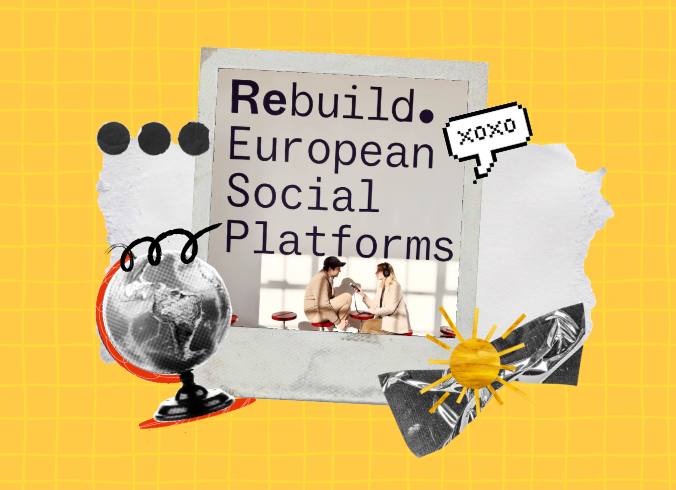
Back in early March 2026, a small but meaningful event took place in Copenhagen: the first major Rebuild gathering. It brought together founders, investors, policymakers, and builders who wanted Europe to stop depending entirely on non-European social platforms and start creating its own.
Margrethe Vestager, the former European Commissioner who led the charge on GDPR, the Digital Services Act, and the Digital Markets Act, served as a patron for the initiative. She had long argued that Europe needed its own digital public spaces. Relying on foreign-owned platforms, she said, left the continent exposed—vulnerable to decisions made far away, data practices that ignored European rules, and influence that could shape elections, public debate, and civil society without any real local control.
The Rebuild event wasn’t about protests or manifestos. It focused on practical next steps: funding, technical collaboration, user adoption strategies, and connecting people who were already building alternatives. The goal was clear—turn regulation into real ownership of the online commons.
Monnett, the social network made for humans, was right there in the mix. By March 2026 its early alpha had already reached over 50,000 users, with strong daily engagement and no signs of slowing down. Christos Floros, founder and CEO, attended the Copenhagen sessions to share progress and learn from others in the same fight. Monnett delivers exactly what Rebuild aims for: user-controlled feeds, no surveillance advertising, chronological timelines by default, strict GDPR compliance, and a design that prioritized real human connection over addictive engagement loops.
The gathering helped put a spotlight on why this work was urgent. When platforms become the main place where news spreads, communities organize, journalists publish, and people debate politics, foreign control creates strategic risks. A widely adopted European platform reduces those risks. It gives Europe the ability to enforce its own laws directly, protect sensitive data under its own courts, and maintain open channels even if bigger networks face outages, blocks, or coordinated interference.
In short, Copenhagen in March 2026 wasn’t flashy, but it marked a shift from talking about digital sovereignty to actually building toward it. Monnett emerges as one of the early proofs that the vision could work in practice.
Monnett is committed to contributing to the entire European ecosystem by collaborating openly with other builders, sharing learnings, and advocating together for over 1 billion EUR to be invested in sovereign digital infrastructure (social platforms made in Europe) across 2026 and 2027.
Join 100,000+ people
Be a person, not a user. Sign up and invite your friends to join you!
Related Articles

March 6, 2026

April 27, 2026
June 25, 2026